
WHAT TO KNOW ABOUT PLASTICS

~ 400 million metric tons of plastic are generated annually
Global annual production of plastic has increased exponentially over the past 65 years, growing from 2 million metric tons in 1950 to 460 million metric tons in 2019. Current levels of production are already unsustainable and causing massive global impacts, yet the Organization for Economic Co-operation and Development (OECD) estimates global plastic use will triple by 2060.
New York’s role in the global solid waste and plastic problem is not insignificant, with an average of 6.8 million tons of packaging waste produced each year in New York, constituting 40 percent of the total waste stream. Every year New York’s solid waste crisis continues to intensify, with municipal landfills nearing capacity, 17 percent of the State’s municipal solid waste exported out of state for disposal, and continued reliance on 11 incinerators across the state (the second highest number per state in the US).
source: www.nrdc.org/
Toxic chemicals in plastic
-

pfas aka forever chemicals
Found in nonstick cookware, waterproof clothing, firefighting foam, dental floss, carpet and upholstery, and food packaging
-

PVC (POLYVINYL CHLORIDE)
Used in food packaging, can be found in items like cling wrap, blister packs, seals on metal lids, and certain food processing equipment
-

FORMALDEHYDE
Found in some plastics, glues, adhesives, and even some cosmetics and personal care products.
-

BISPHENOLS (bpa)
Found in food containers, baby bottles, water bottles, canned foods, and cash register receipts
-

TOLUENE
Found in Nylon used to making bathing suits, active wear, hosiery, lingerie, and outdoor apparel
-

PHTHALATES
Found in personal care products, food packaging, toys, medical devices, and building materials
ALTERNATIVES TO PLASTICS
Science is fast catching up with the goal of reducing plastic. We now have plastic substitutes made from plants. If you know about such businesses please contact us. Every business we learn is selling or using plastic substitutes will be publicized on this page.
World Centric produces plates, cuts, and cutlery from plants that looks and performs like plastic but is made of plants.
Whole Foods sells these items and we believe that some food establishments are using them to contain the foods they prepare.
Compostable bags
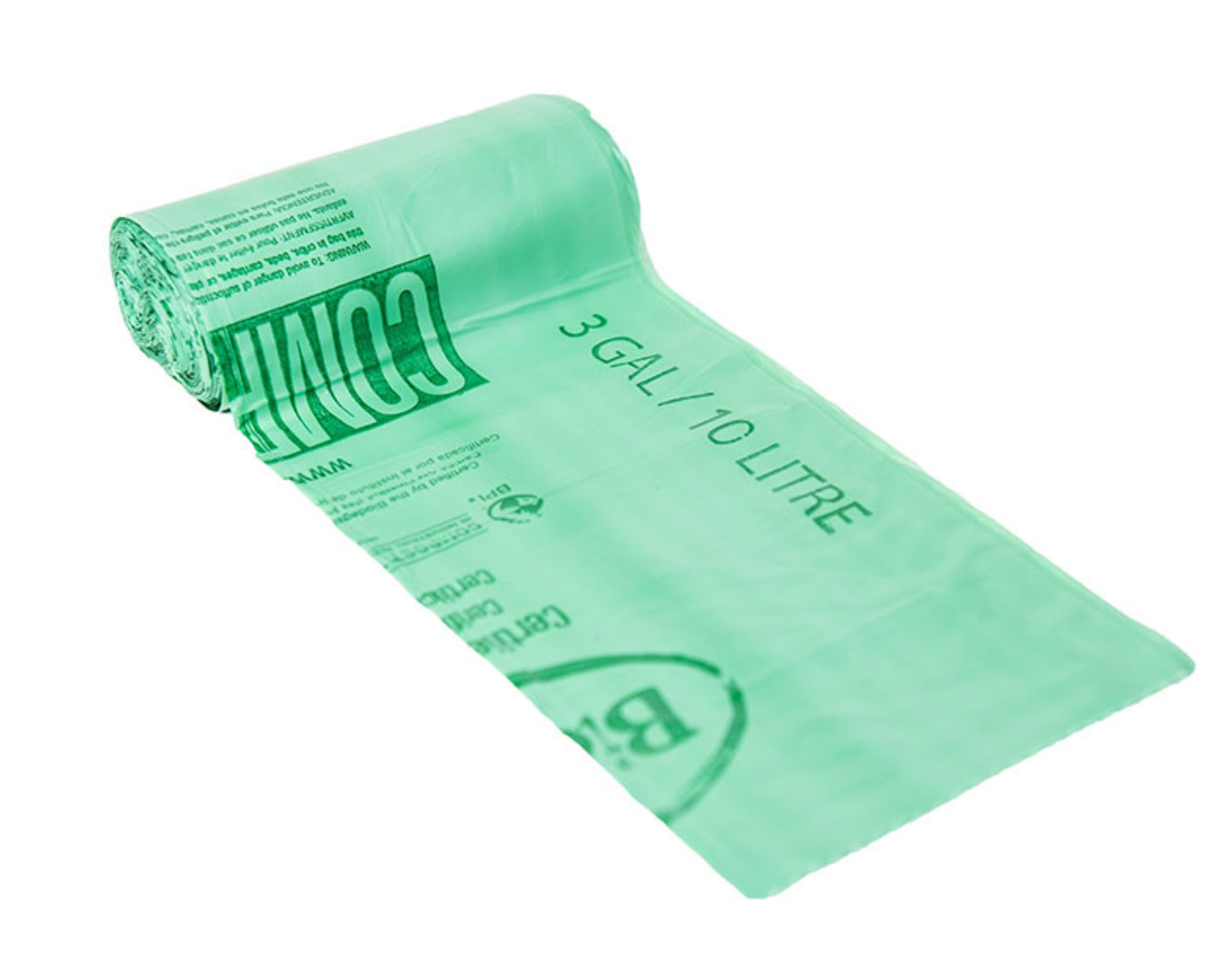
Compostable produce bags are popular at supermarkets, farmers markets and natural grocery food stores. Derived from plant materials, these biodegradable produce bags degrade 100% within 6 months at commercial composting facilities and are safe for home composting. This eco-friendly material allows the produce inside to breathe which prolongs storage life, keeping fruits and veggies fresh longer.
Some companies claiming to produce plant-based compostable bags include Superbio , GreFusion and OrangeBio.
We believe that using plastic substitutes will result in price reduction and ultimately in less demand for plastic.
The MSWAB is educating New Yorkers on City and State legislation that bans the sale of plastic used for food and beverage containment. There are currently City and State bills that prohibit government agencies from purchasing plastic beverage containers. This is a first step toward a larger ban.
So here’s two ways you can help the cause.
Tell us about any businesses you learn are selling and/or using plastic substitutes
Ask your City and State legislators to endorse the plastic beverage container law.
mICROPLASTICS AND OUR HEALTH
Microplastics have been found in many parts of the human body, including human blood, lungs, kidneys, brain, testicles, placenta, and breast milk.
A March 2024 study published in the New England Journal of Medicine found microplastics in plaque in human carotid arteries, resulting in an increased risk of stroke, heart attack, and premature death.
Exposure to micro- and nano-plastics can lead to health effects through oxidative stress, inflammation, immune dysfunction, altered biochemical and energy metabolism, impaired cell proliferation, disrupted microbial metabolic pathways, abnormal organ development, and carcinogenicity.
Legislation
NY Packaging Reduction and Recycling Infrastructure Act (PRRIA)
MSWAB supports the New York State Packaging Reduction and Recycling Infrastructure Act S.1464 (PRRIA) which enacts the "packaging reduction and recycling infrastructure act" to require companies selling, offering for sale, or distributing packaging materials and products to register with a packaging reduction organization to develop a packaging reduction and recycling plan.
-
Reduce plastic packaging by 30% gradually over the next 12 years
Require 70% of the remaining packaging to be reused and/or recycled over 10 years
Prohibit the false solution of “chemical recycling” from counting toward recycling targets
Require companies that sell packaged consumer goods to pay “eco-modulated” fees on packaging that encourages producers to design for reuse and recyclability
Require these producer fees to cover municipalities’ costs of waste management and recycling
Prohibit 14 toxic chemicals and materials from packaging that are known to be harmful to human health and the environment
Bigger Better Bottle Bill
MSWAB also supports Senate Bill S2351 (Bigger Better Bottle Bill aka BBB) which
provides for the expansion of the New York Bottle Bill
-
Increase the refundable beverage container deposit from 5 cents to 10 cents
Add a refundable deposit to most beverage containers, excluding milk and milk alternatives, infant formula, and 100% juice
Increase the handling fee from 3 cents to 6 cents
Reduce single-use beverage bottles by 25% by 2030
MSWAB PLASTIC WASTE AUDIT RESULTS by neighborhood

2024 Total Waste Audit Data

Washington Heights, Manhattan '24

East Harlem, Manhattan '24

Clinton Hill, Brooklyn '24

South Bronx '24

Corona, Queens '24

Forest Hills, Queens '24

Kingsbridge, Bronx '24

Upper West Side, Manhattan '24

Washington Heights, Manhattan '23

Cigarette filters are the most common type of plastic waste found in the environment
Newsletter
Sign up to receive MSWAB news and updates.